
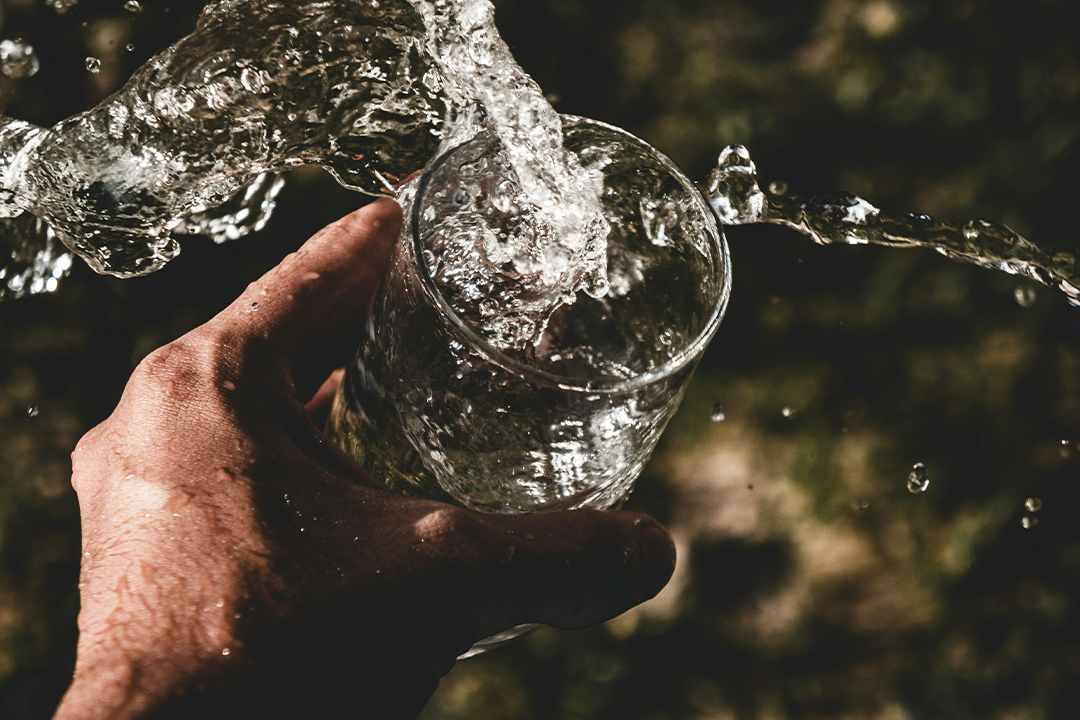
If your home relies on a private well, your well pump is one of the most important pieces of equipment you own. It quietly delivers clean, reliable water to your faucets, showers, appliances, and irrigation system every day. But because it’s out of sight, it’s often out of mind—until something goes wrong.
The good news? With a little preventative maintenance and attention, you can extend the life of your well pump, improve water quality, and avoid costly repairs. Here are five simple tips every homeowner should follow.
1. Pay Attention to Changes in Water Pressure
One of the first signs of a well pump problem is inconsistent water pressure. If your faucets suddenly have weaker flow, your shower pressure fluctuates, or your water sputters, don’t ignore it.
These symptoms could indicate:
- A failing well pump
- A pressure tank issue
- A clogged filter
- A plumbing leak
Addressing these problems early can prevent a complete loss of water.
2. Schedule Routine Inspections
Just like your heating system or water heater, your well system benefits from regular professional maintenance. An annual inspection allows a licensed technician to check the pump, pressure tank, electrical components, and overall system performance before small issues become expensive repairs.
Routine maintenance can also help maximize the lifespan of your equipment.
3. Test Your Water Quality Regularly
Your well pump supplies the water your family uses every day, so regular water testing is essential. Annual testing can identify bacteria, minerals, sediment, or other contaminants that may affect your water’s safety, taste, or odor.
If you’ve noticed discoloration, unusual smells, or changes in taste, schedule a water quality test as soon as possible.
4. Protect Your Well from Heavy Water Demand
Summer activities like watering lawns, filling pools, and washing cars can place extra strain on your well system. While well pumps are designed to work hard, constant heavy demand can shorten their lifespan.
Spread out water-intensive tasks whenever possible and repair any leaking fixtures that may cause your pump to cycle more frequently than necessary.
5. Know the Warning Signs of a Failing Well Pump
Your well pump will often give you warning signs before it stops working completely. Watch for:
- No water coming from faucets
- Air sputtering through fixtures
- Dirty or cloudy water
- Unusually high electric bills
- Frequent pump cycling
- Strange noises coming from the pressure tank or pump
If you notice any of these issues, don’t wait until you’re completely without water. Calling a licensed professional early can often prevent a more extensive repair—or a full replacement.
Trust the Local Experts
For over 50 years, Southeast Plumbing & Heating has helped homeowners throughout Westchester and Putnam Counties maintain, repair, and replace well pump systems. We understand the unique needs of homes that rely on private wells and have the experience and equipment to diagnose problems quickly and accurately. We service Dutchess, Putnam & Westchester Counties.
Whether you need routine maintenance, a well pump inspection, or emergency repairs, our licensed professionals are here to help keep your water flowing year-round.