

Heating Systems Sized for Consistent Performance
Boiler Installation and Repair in Brewster for homes requiring dependable heating, system upgrades, or troubleshooting of existing equipment
Boiler sizing determines whether your home heats evenly and whether the system cycles on and off excessively, which reduces efficiency and lifespan. Southeast Plumbing & Heating installs and repairs boilers throughout Brewster and the surrounding Hudson Valley, calculating heat loss for each property to match system capacity to actual demand. An improperly sized boiler either struggles to maintain temperature during cold stretches or short-cycles in milder weather, wasting fuel and increasing wear.
Installation involves removing the old unit, updating venting and piping connections as required by current codes, and commissioning the new system to verify proper combustion and circulation. Repairs address common issues such as faulty circulator pumps, failed zone valves, ignition problems, or low water pressure. Maintenance includes annual cleaning of the heat exchanger, inspection of the burner assembly, and testing of safety controls.
Request a system evaluation to determine whether your boiler needs repair, maintenance, or full replacement.
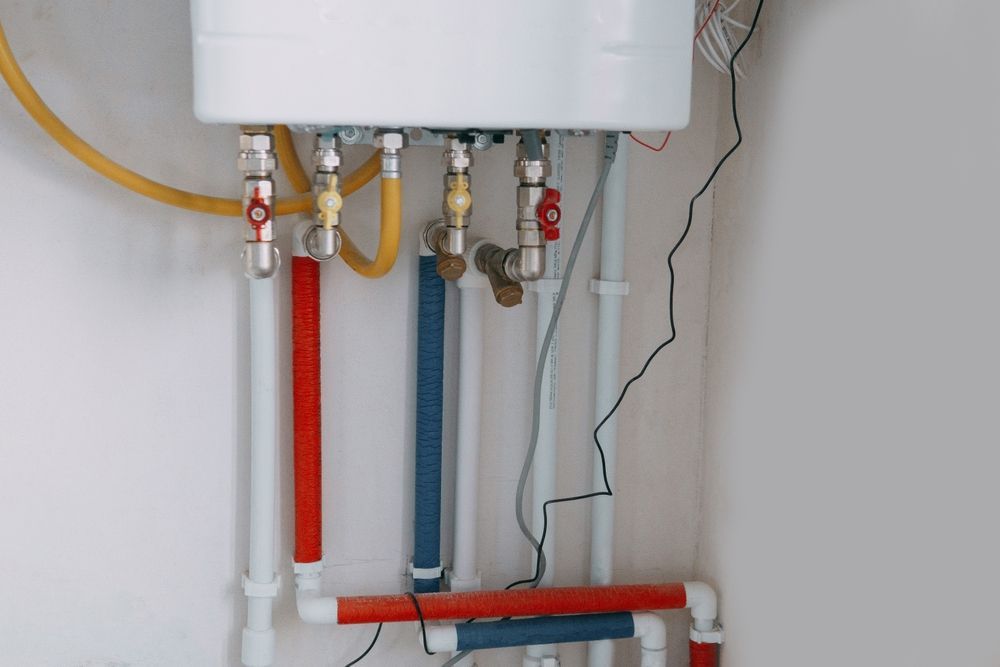
What You Notice Once Boiler Work Is Finished
A properly functioning boiler delivers consistent heat to all zones without excessive cycling or cold spots. New installations include modulating or multi-stage burners that adjust firing rates based on demand, reducing the on-off cycling that shortens equipment life. Venting systems must be correctly sized and sealed to prevent combustion gases from entering the home and to maintain proper draft.
After installation or repair, every radiator or baseboard heats evenly, the system reaches temperature without delays, and you'll hear less banging or gurgling from pipes and radiators as trapped air is purged and circulation normalizes. Fuel consumption decreases when the system is properly sized and tuned, and the boiler operates quietly without the rumbling or kettling sounds that indicate scale buildup or combustion issues.
Boilers should be serviced annually before the heating season begins, which includes cleaning the heat exchanger, testing safety controls, checking water pressure, and verifying that all zone valves and circulators operate correctly. Systems using cast iron heat exchangers typically last twenty-five to thirty years, while newer high-efficiency models with stainless steel exchangers may have shorter lifespans but lower operating costs.
Common Questions About This Service
Boiler decisions involve understanding how system sizing, fuel type, and efficiency ratings affect both comfort and long-term costs.
What determines whether a boiler should be repaired or replaced?
Age, repair cost relative to replacement cost, efficiency compared to current models, and the availability of parts all factor into the decision. A fifteen-year-old boiler with a cracked heat exchanger typically justifies replacement, while a newer unit with a failed circulator pump makes sense to repair.
How is proper boiler sizing calculated?
Heat loss calculations account for insulation levels, window area and type, air infiltration rates, and design temperatures for Brewster winters. Oversized boilers cycle frequently and never reach optimal efficiency, while undersized units run continuously during cold weather without maintaining setpoint temperatures.
When should boiler maintenance be scheduled?
Annual servicing before the heating season starts in October allows time to address any issues before you rely on the system daily. Cleaning the heat exchanger, testing combustion efficiency, and inspecting safety controls during this service prevents mid-winter breakdowns.
What efficiency improvements come with newer boilers?
High-efficiency condensing boilers extract additional heat from exhaust gases, achieving annual fuel utilization efficiency ratings above ninety percent compared to seventy to eighty percent for older non-condensing models. This translates to lower fuel bills, though condensing units require condensate drainage and may need more frequent maintenance.
Why do some Brewster homes experience uneven heating?
Improperly balanced zones, failed zone valves, airlocks in piping, or an undersized boiler struggling to supply adequate heat to all areas cause uneven temperatures. Older homes with additions often have heating distribution issues that require zone adjustments or system capacity increases.
Southeast Plumbing & Heating provides system assessments that include heat loss calculations and equipment recommendations based on your home's specific heating requirements. Schedule an appointment to review your current system performance and available options.