


Toilets That Actually Stop Running
Toilet Installation and Repair in Brewster for worn flush mechanisms, constant water waste, and foundation leak prevention
A running toilet wastes up to two hundred gallons per day, and older Brewster homes frequently have flush valves and flappers that no longer seal after years of mineral buildup from well water. The sound of water trickling into the bowl signals a flapper that stays lifted or a fill valve that never shuts off, and both conditions inflate your water bill while risking overflow leaks that seep into flooring and subflooring. Southeast Plumbing & Heating inspects fill valves, flappers, and flush mechanisms to determine whether repair or full replacement stops the waste and prevents hidden water damage.
Diagnosis begins with dye testing to confirm flapper leaks and inspection of the fill valve for calcium deposits that prevent shutoff. Worn parts receive immediate replacement, and modern efficient models reduce water consumption per flush while maintaining clearing power. New installations include wax ring replacement, proper bolt seating, and leak testing to confirm no water escapes onto the bathroom floor or into the ceiling below.
Arrange a repair evaluation to identify the source of running water and prevent the cost of wasted gallons.
What Happens After Flush Mechanism Repair
Proper flapper and valve repair stops the constant refill cycle, and you notice the tank stays silent between uses instead of hissing or trickling every few minutes. Replacing a degraded flapper with a corrosion-resistant model restores the seal that prevents water from draining into the bowl, and adjusting the fill valve height stops overflow into the tube that triggers endless refilling.
Your water meter reading drops within the first billing cycle, often by thousands of gallons, and the toilet clears waste on the first flush without requiring multiple handle presses or courtesy flushes. Toilets installed with proper wax ring compression and level seating never develop the slow leaks that rot subflooring and drip into finished basement ceilings.
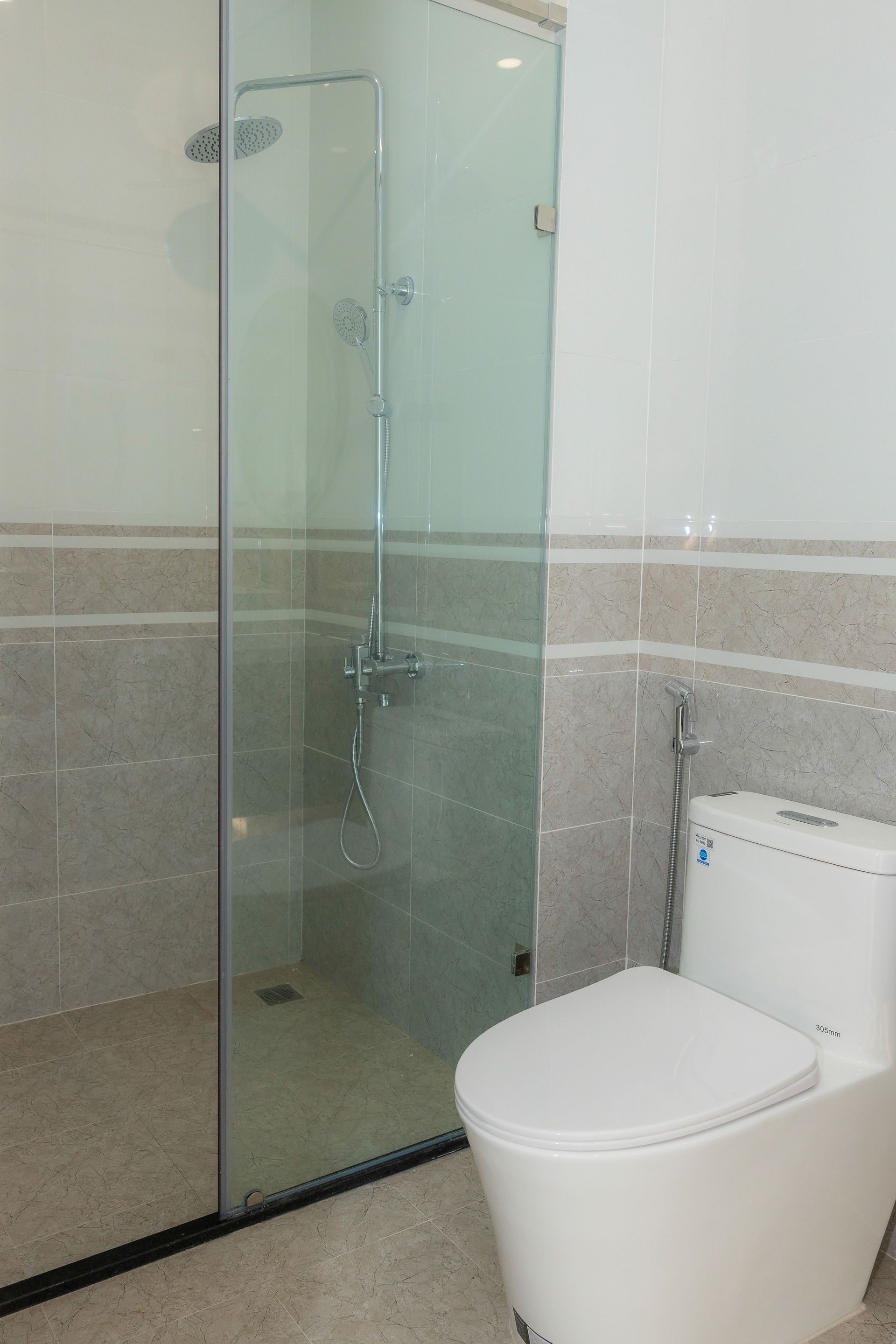
Modern efficient toilets use one-point-two-eight gallons per flush compared to older models that consume three-point-five gallons, and dual-flush options allow lighter flushing for liquid waste. Installation includes supply line replacement if the existing braided hose shows wear, and leak testing under pressure confirms no water escapes at the tank bolts or base seal.
Answers to Frequent Service Questions
Homeowners typically ask about repair costs versus replacement, timeline for installation, and what causes toilets to run constantly in older properties.
What makes a toilet run constantly?
A degraded flapper that no longer seals the flush valve opening allows water to drain into the bowl, triggering the fill valve to refill the tank continuously, or a fill valve stuck open due to mineral buildup from well water common in Putnam County.
How long does toilet installation take?
A straightforward replacement finishes within one to two hours, including removal of the old unit, wax ring and bolt replacement, and leak testing to confirm proper seating and no water escape at the base.
When should I replace instead of repair?
If the porcelain shows cracks, the bowl no longer clears waste reliably, or you're making multiple repairs within a year, replacement with a modern efficient model stops the cycle of temporary fixes and reduces water consumption.
What's included in a new toilet installation?
Removal and disposal of the old toilet, wax ring and bolt replacement, supply line installation if needed, proper leveling and seating to prevent leaks, and pressure testing to confirm no water escapes during operation.
Why does my toilet leak at the base?
Wax ring compression failure or uneven seating allows water to escape during flushing, and the leak often remains hidden until it rots the subflooring or drips through the ceiling below in multi-story homes.
Southeast Plumbing & Heating diagnoses toilet leaks and running water the same day, and skilled installation prevents the hidden water damage that follows improper wax ring seating. Call to schedule a repair or replacement based on your specific fixture condition and water waste patterns.